Polyester vs Nylon vs Polypropylene Webbing
Compare the material families, not invented ratings
Start with the application, the elongation your use can tolerate, the environment and the design of the finished assembly. The name of a webbing material alone cannot confirm a working load or qualify a tie-down, so we treat the material as the first line of a specification rather than the answer to it.
For a short general comparison, Cargo Webbing: Nylon or Polyester from US Cargo Control observes that nylon generally has more elongation and polyester less. We cite it only for that qualitative point and carry none of its figures into this page. Nylon's greater elongation is a reason to require application-specific review. It is not a blanket recommendation for cargo restraint or vehicle recovery.
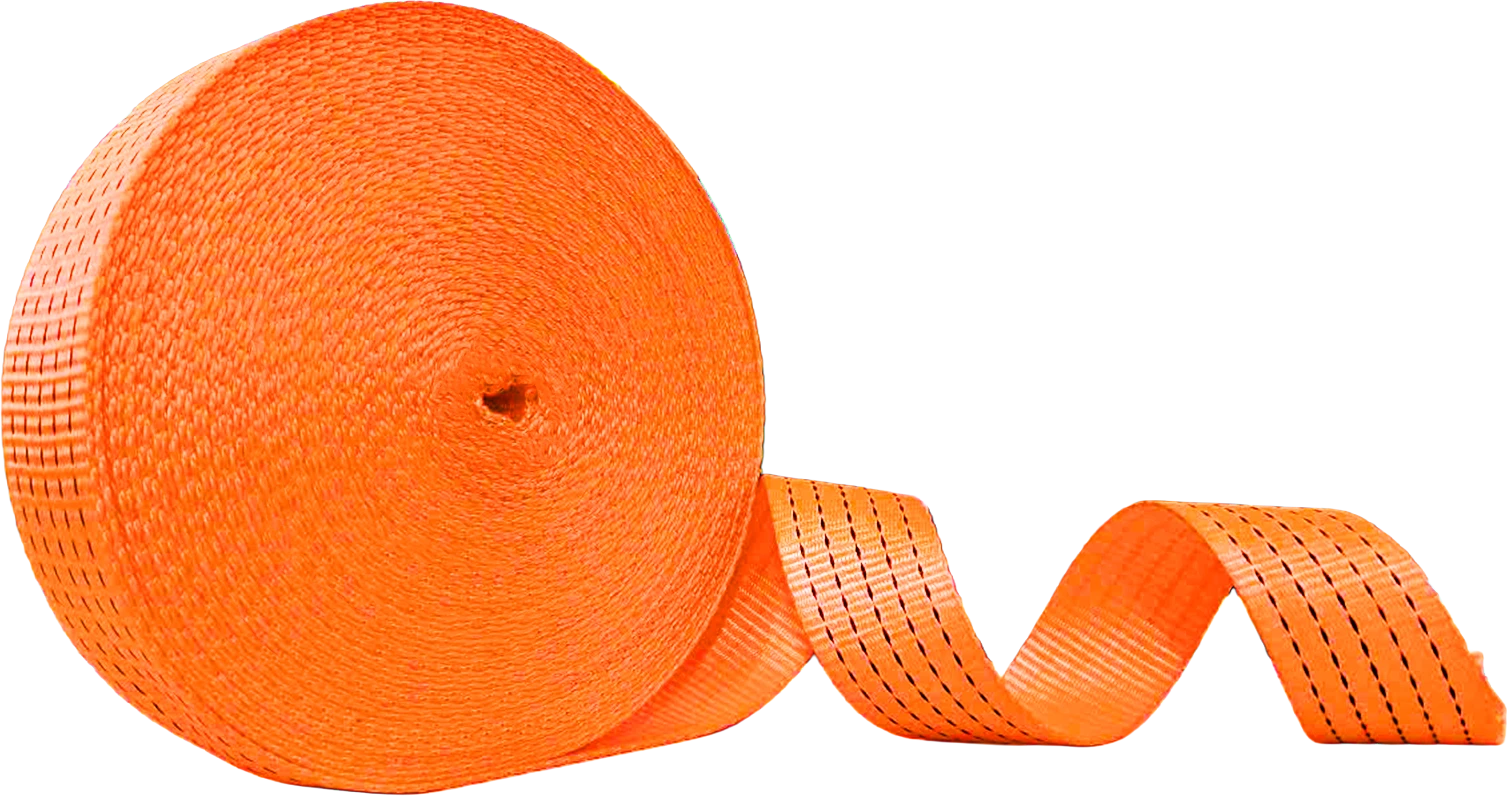
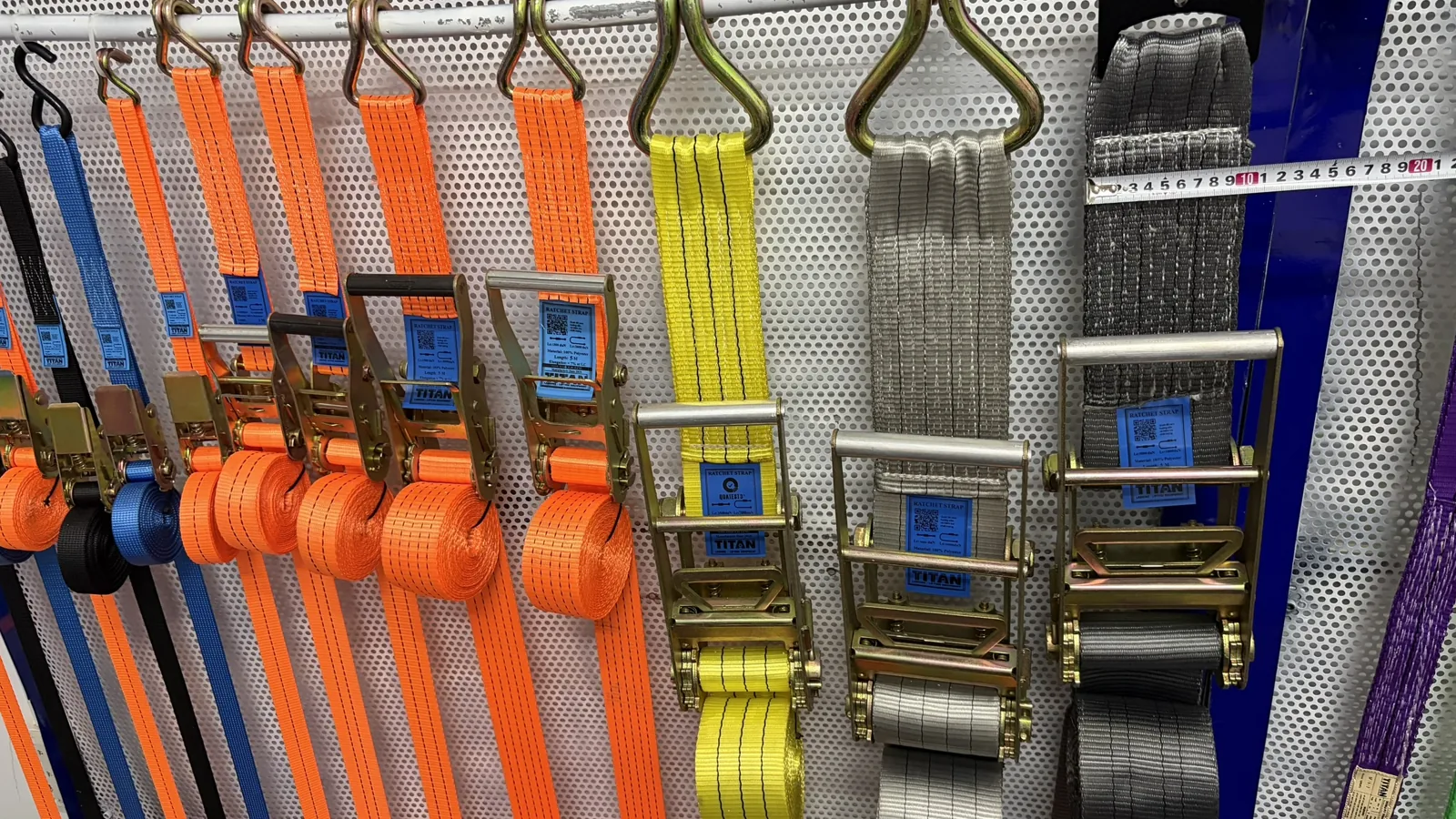
Polypropylene is a separate polymer family, so do not assume it behaves like polyester. Obtain its actual grade, weave and test data instead. Page 14 of the English product catalog lists polyester (PES) and polypropylene (PP) webbing families in orange, white, black, blue, yellow and red, with custom lengths. That confirms the catalog families, not a material grade for any one photo or a stocked size. Nylon supply is not confirmed; it appears below for comparison only.
| Material | Question to resolve | Evidence to request | DEWIN supply status |
|---|---|---|---|
| Polyester | Which polyester version, width, thickness and weave suits the application and the finished assembly design? | Material ID or specification for the named webbing, a sample label matched to your specification, and the test method and conditions behind any report you rely on. | Polyester (PES) webbing family listed in the product catalog, page 14. Grade, weave, thickness, color and length are agreed per quotation |
| Nylon | Is the greater elongation acceptable for this use, and does the application need review before nylon is considered at all? | Application-specific review, plus material grade and test data from whichever supplier is named. | Not confirmed as DEWIN supply. Comparison only. Comparison only |
| Polypropylene (PP) | Which grade and weave is proposed, and is it being assumed equal to polyester? | Actual grade, weave and test data for this specific webbing. | Polypropylene (PP) webbing family listed in the product catalog, page 14. Grade, weave, thickness, color and length are agreed per quotation |
Questions to settle before you ask for samples
- Name the application, and say whether it is cargo restraint, accessory webbing or something else. Cargo restraint and overhead lifting are separate applications.
- State how much stretch your use can tolerate, in your own words if you have no figure.
- Describe the environment: outdoors, wet, near chemicals or abrasion.
- Say whether you need loose webbing or a finished assembly with sewn loops and metal hardware.
- Ask which polyester or polypropylene family in the DEWIN catalog matches your brief, and which version is current.
Translate the choice into a purchasing specification
A purchasing specification turns the material choice into lines a factory can quote against. The DW Straps catalog documents U.S. nominal 2 in, 3 in and 4 in webbing families, and our purchase request form also supports 1 in, 1.5 in and 2 in reference families. Begin with the nominal width in inches. Add thickness in inches, weave and the color or printing you have approved. Where a length is documented, state the roll or cut length in whole feet. If a size exists only in metric on your drawing, send it as written and ask our factory team to identify the matching U.S. nominal configuration.
Never calculate a working load limit from raw webbing strength, and never infer a safety factor from a material name or a supplier figure. Raw webbing strength does not establish the working load limit of a complete assembly. Raw webbing strength, a catalog figure, a customer requirement and a tested value for a finished strap are four different things, so keep them in separate fields on your specification.
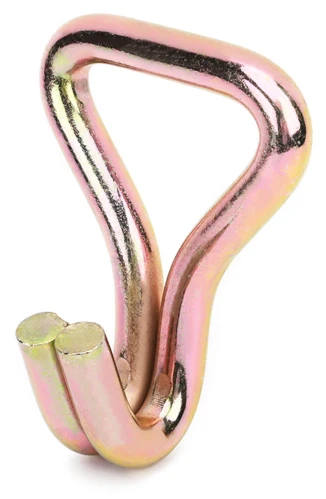
Sewing, end fittings and the finished assembly each need their own documented scope. Webbing is one component of a ratchet tie-down strap or cam buckle strap, so if your brief is a finished assembly, describe the ratchet buckle or hook as well. Browse our ratchet straps page for finished assemblies, or the custom and private label page for logo, color and packing requests.
Measurement checklist for your request
- Nominal width in inches (in).
- Thickness in inches (in) and the weave you expect.
- Approved color and any printing or logo requirement.
- Roll or cut length in whole feet (ft), where a length is documented.
- Lot and sample IDs, so a later order can be traced to the approved piece.
- Test method and conditions you want referenced, and the intended sewn or metal assembly.
Approve the sample and the evidence
Approving a sample means confirming that the physical piece is the one you wrote down. Compare the sample label with your written specification, record the material ID, dimensions and finishing, and keep that record next to the lot or sample ID so a later production order can be traced back to it.
Then ask for the relevant report and read what it actually covers. Requested performance is what your buyer or application needs. Demonstrated performance is what a named test on the named configuration shows. Keep the two apart on the approval sheet. This article supplies no temperature range, UV life, chemical resistance, percentage stretch, capacity or availability numbers, and none should be assumed from it.
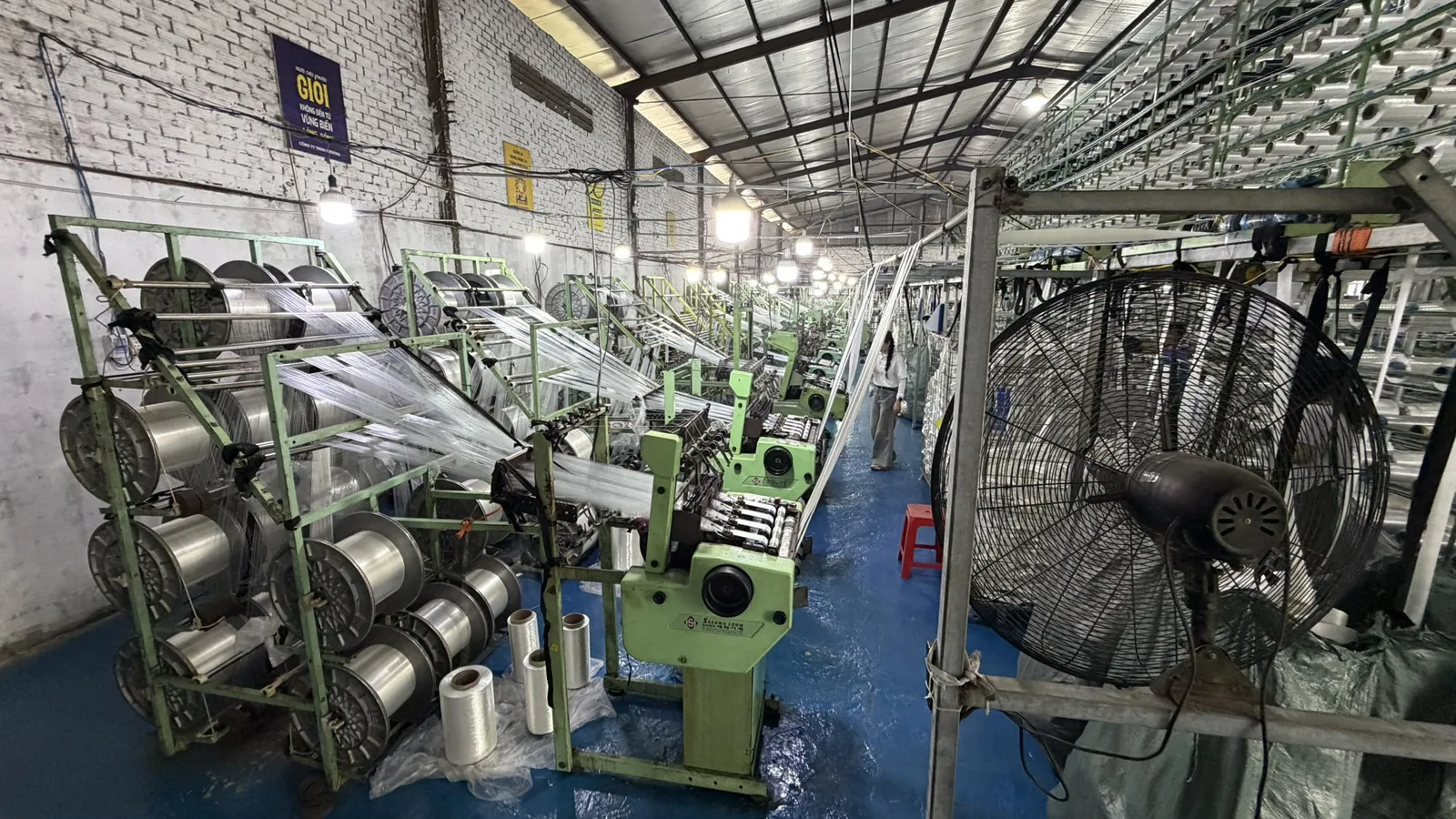
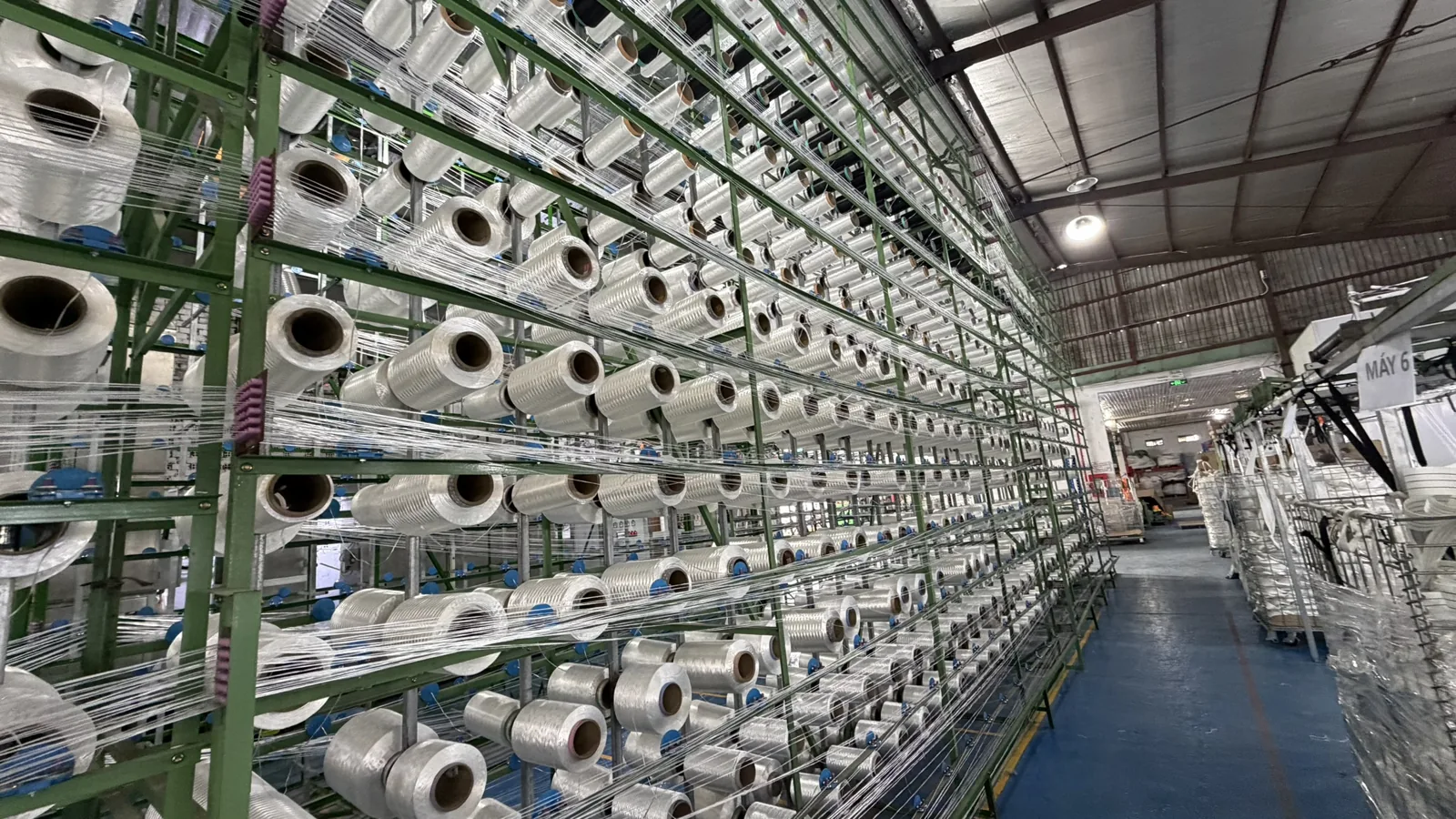
Our factory in Vietnam serves U.S. buyers and reviews your order requirements before a specific configuration is offered. Partial information is fine. Send what you have and we will list what is still missing for your quotation. This guide does not assert a tested capacity for any product.
Buyer document checklist
- Material ID or specification: the polymer family, grade and weave written for the named webbing.
- Matched sample: a physical sample whose label and measured width and thickness agree with your written specification.
- Applicable report: a report that covers the performance you request, on the named configuration, with its test method and conditions stated.
Sample and evidence approval steps
- Match the sample label to your written specification, line by line.
- Record the material ID, dimensions and finishing on the approval sheet.
- Check the measured width and thickness, in inches, against the specification.
- Request the report relevant to the named configuration and ask which test method and conditions it covers.
- Keep requested performance and demonstrated performance in separate columns.
- Mark approval as open until the matched sample and the material ID or specification are in hand.
Related Posts
U.S. Requirements Worksheet for Tie-Down Straps